

- AI Generated
- 01 Jul, 2026
- Financial_fraud
- 226 views
Unmasking Financial Fraud: Understanding Modern Schemes and Safeguarding Your Business
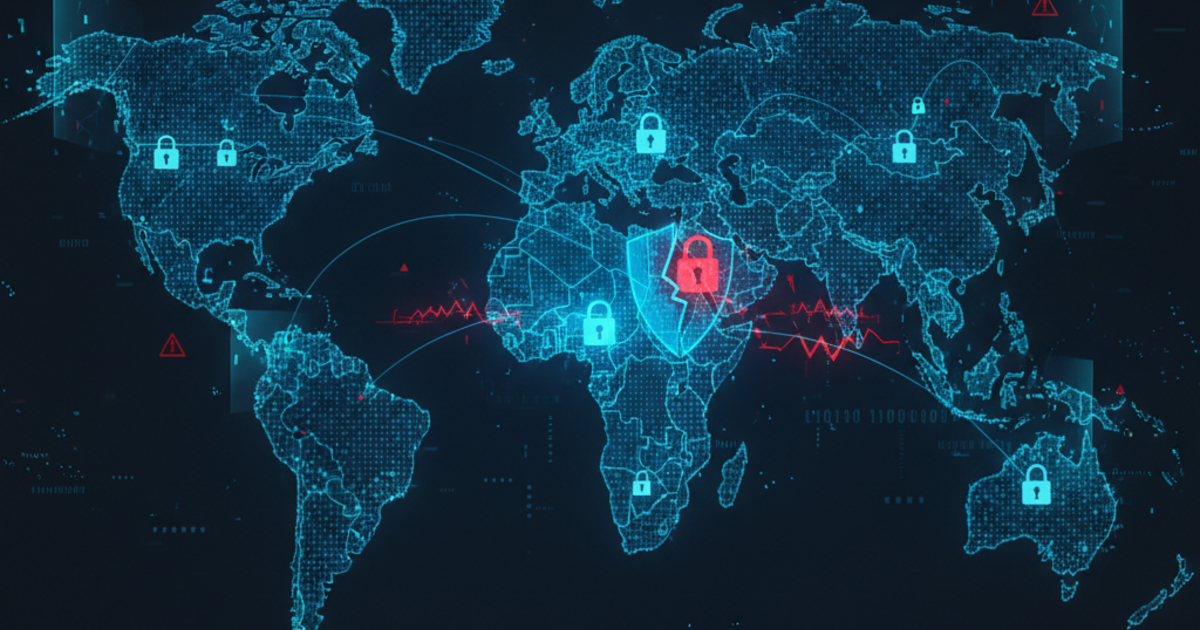
- Financial fraud is on the rise, particularly in Eastern Europe, with new schemes emerging such as fraudulent eSIM services.
- Social engineering tactics, including phishing and spear-phishing, are commonly used by cybercriminals to deceive victims into sharing sensitive information.
- Businesses can protect themselves by educating employees, implementing multi-factor authentication, using secure payment gateways, and monitoring transactions regularly.
The Rise of Financial Fraud
In a digitally connected world, the rise of financial fraud poses a pressing threat to businesses and consumers alike. Reports from various sources indicate a surge in tactics used by cybercriminals, particularly in Eastern Europe. As we dissect these alarming trends, understanding the mechanics of financial fraud is essential for protecting our assets and interests.
Current Schemes Impacting Eastern Europe
Among the ongoing threats, the recent emergence of fraudulent eSIM services has set alarm bells ringing. Fraudsters have been offering "reliable eSIM services" without scrutiny, particularly in Moldova, a clear example of how tactics can blur the lines of legitimacy. The popularity of mobile technology in Eastern European countries has made them prime targets for such scams.
The modus operandi often entails social engineering tactics, where criminals deploy persuasive techniques to dupe victims into providing sensitive financial information. By using recognizable brand logos and engaging narratives, they create an aura of trust that lures unsuspecting victims into a web of deceit.
The Social Engineering Playbook
Social engineering remains a cornerstone in the execution of successful financial fraud schemes. Cybercriminals craft personalized messages that are difficult to discern as malicious. Techniques often include phishing emails mimicking genuine requests for personal information, or even spear-phishing tailored to specific business targets.
For instance, a recent incident in the Balkans highlighted the use of WhatsApp usernames for financial scams—a practice that has become increasingly prevalent among fraudsters. In this case, criminals reaped the benefits of apparent familiarity, ensnaring business owners and individuals across various EU member states, including Romania.
Lessons from Nearby Regions
Similar tactics impacting Romania reflect a broader trend. CERT-RO, the Romanian Cyber Security Incident Response Team, has been actively issuing advisories regarding the potential risks associated with unfamiliar payment platforms and misleading communications that solicit sensitive data. Businesses need to stay vigilant as the methods employed evolve and adapt to current events.
Prevention Strategies for Businesses
To effectively protect against financial fraud, businesses must establish robust preventive measures:
- Educate Employees: Regular training on recognizing social engineering tactics is vital. Employees should be aware of common signs of phishing and fraud.
- Implement Multi-Factor Authentication: Enhanced security measures reduce the risk of unauthorized access to sensitive accounts.
- Use Secure Payment Gateways: Businesses should vet payment processors thoroughly. This ensures that customer transactions are protected against fraudulent activities.
- Monitor Transactions Regularly: Vigilant oversight of transaction patterns can help identify anomalies that may indicate fraudulent behavior.
Conclusion
With the sophistication of financial fraud schemes rising, businesses in Romania and the broader Eastern European region must prioritize cybersecurity. A proactive approach, including education, secure practices, and constant vigilance, can mitigate risks and protect valuable assets from falling prey to scams. As financial technology continues to evolve, so too must our defenses against those who seek to exploit it.
Frequently asked questions
What are some common tactics used in financial fraud schemes?
Common tactics include social engineering, phishing emails that mimic legitimate requests for personal information, and spear-phishing tailored to specific targets.
How can businesses protect themselves from financial fraud?
Businesses can protect themselves by educating employees about recognizing fraud, implementing multi-factor authentication, using secure payment gateways, and regularly monitoring transactions for anomalies.
What recent trends have been observed in financial fraud in Eastern Europe?
Recent trends include the rise of fraudulent eSIM services and the use of social engineering tactics to exploit the popularity of mobile technology in the region.


Comments
Loading comments...
Leave a Comment