
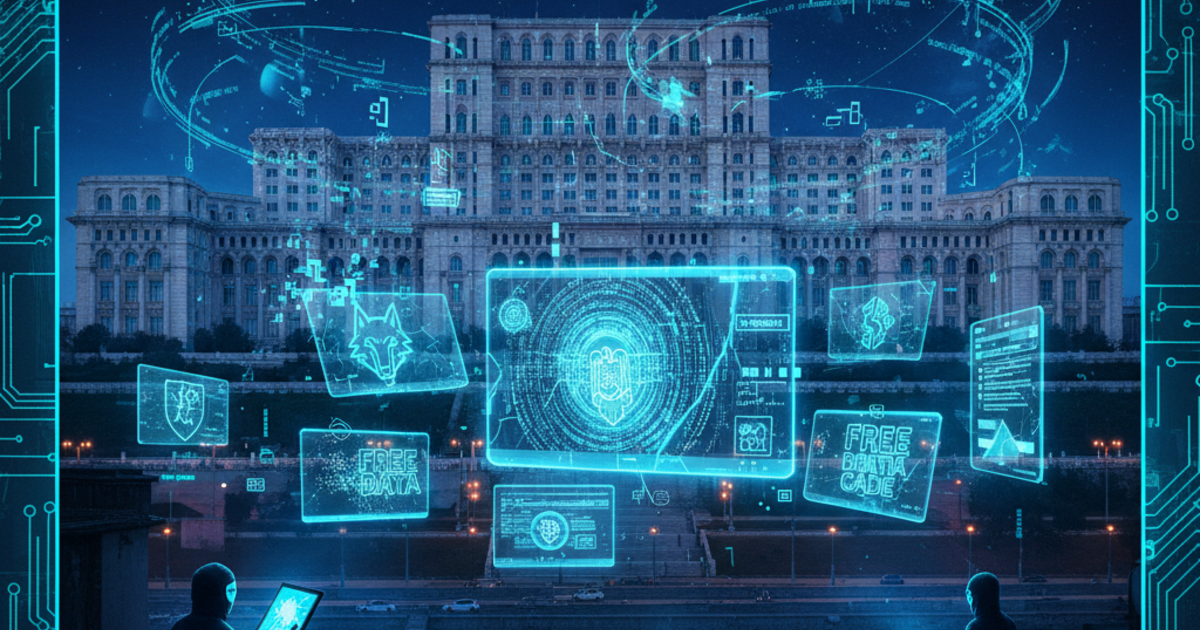
- AI Generated
- 01 Jul, 2026
- Defaced
- 248 views
Defaced and Defiant: How Hacktivists Target Romania in a Geopolitical Tussle
- Romania has experienced a series of cyber defacement incidents attributed to hacktivist groups, notably Mr.PIMZZZXploit.
- These attacks highlight vulnerabilities in Romania's cybersecurity framework, prompting increased vigilance from CERT-RO.
- Hacktivism in Romania is driven by socio-political narratives and reflects broader geopolitical tensions in Eastern Europe.
Understanding the Hacktivist Landscape: A Romanian Perspective
In recent weeks, Romania has found itself in the crosshairs of a series of cyber defacement incidents perpetrated by hacktivist groups. While the technical details of these attacks are intriguing, the geopolitical motives behind them require closer inspection. With tensions mounting between various global powers, hacktivism has emerged as an avenue for political expression among cyber actors, especially within the Eastern European context.
The Recent Targeting of Romanian Sites
The domain pasar.manajemencerdas.com is just one example of Romanian-targeted defacements attributed to a group known as Mr.PIMZZZXploit. This attack showcases a significant trend where even local domains (.ro) are not safe from the reach of hacktivists, which brings into question the cybersecurity framework surrounding Romanian institutions. CERT-RO, the Romanian National Computer Security Incident Response Team, has been vigilant in monitoring these threats but faces a growing challenge in mitigating the effects of transnational cyber operations.
Hacktivism as a Tool for Political Expression
Hacktivists often leverage the internet’s vast reach to make political statements or highlight perceived injustices. The recent defacements often come accompanied by messages that reflect socio-political narratives relevant to the attacker's ideology. The motivations can range from environmental activism to protesting government policies, indicating a wider trend where discontent manifests on digital platforms. As Romania witnesses consistent geopolitical skirmishes, groups may be using cyber defacement as a means to express dissent or to challenge the status quo.
Geopolitical Context and Broader Implications
Romania's unique position at the crossroads of Eastern and Western Europe places it at the center of a hybrid warfare landscape. The cyber realm has become an extension of traditional warfare, where state and non-state actors deploy digital assets in defending or attacking national interests. The EU's approach to cyber defense has grown, reflecting the need for collective security in a time of rampant cyber threats. Defacements not only affect individual institutions but also contribute to a culture of fear, uncertainty, and vulnerability across Eastern Europe.
The Impact on European Cybersecurity
As Romanian entities come under increasing attack, the ripple effect can destabilize not only the national security apparatus but also impact the EU's cohesion. Defacements erode trust in online services and create an underlying sense of unease about cybersecurity capabilities across member states. In response, a coordinated European effort may be necessary, echoing discussions about improving incident response capabilities under the auspices of the EU Cybersecurity Act.
Conclusion: Defiance Through Defense
As hacktivism continues to evolve and gain traction, understanding the motivations and implications behind these cyber defacements becomes paramount. In Romania, ongoing vigilance and strong cybersecurity postures are critical in countering these threats. With institutions adapting to the digital age's demands, we must foster an environment that empowers institutions and civil society alike to create robust defenses against this new breed of cyber challengers. As we brace for future incidents, the focus must remain on both defensive strategies and the socio-political narratives driving them.
Frequently asked questions
What is the role of hacktivism in Romania's cybersecurity landscape?
Hacktivism serves as a tool for political expression in Romania, with recent cyber defacements reflecting socio-political narratives and dissent against government policies.
How are Romanian institutions responding to cyber threats?
Romanian institutions, particularly CERT-RO, are actively monitoring and responding to cyber threats, but face challenges due to the transnational nature of these attacks.
What are the implications of cyber defacements for the EU?
Cyber defacements in Romania can destabilize national security and erode trust in online services, potentially impacting the cohesion of the EU and necessitating coordinated cybersecurity efforts.



Comments
Loading comments...
Leave a Comment