
- AI Generated
- 29 Jun, 2026
- Malware
- 299 views
Descent into Chaos: The Unseen Threat of Malware in Eastern Europe
- Eastern Europe faces significant malware threats from families like Emotet, TrickBot, and RedLine Stealer.
- Malware authors use advanced persistence techniques to maintain access to infected machines, complicating detection efforts.
- Ransomware attacks have disrupted Romanian governmental institutions, highlighting a gap in cybersecurity preparedness.
Understanding the Malware Landscape in Eastern Europe
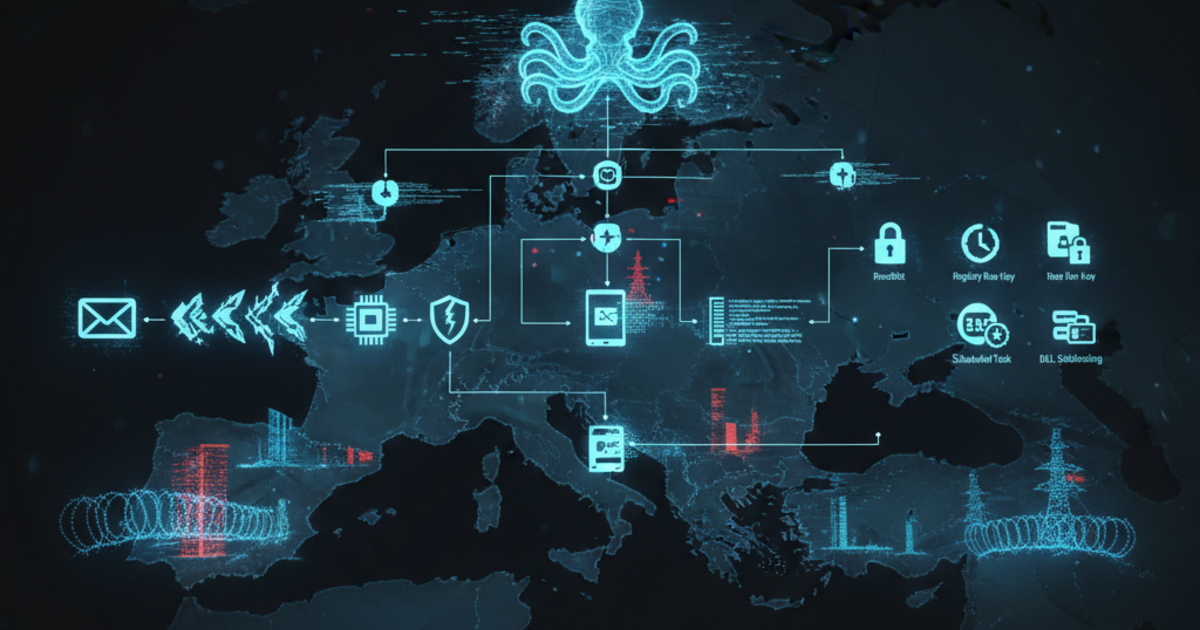
In recent years, the cybersecurity landscape in Eastern Europe has evolved significantly, with various malware families emerging as potent threats. Among them are notorious actors like Emotet, TrickBot, and the more recent RedLine Stealer, which have targeted both local and international organizations. As geopolitical tensions rise, these threats are not just technical issues but national security concerns.
The Infection Chain: From Initial Compromise to Full Control
Take Emotet, for instance, which begins its infection chain through malicious documents delivered via phishing emails. Once the victim interacts with the document, the initial payload downloads. In the case of TrickBot, it extends this chain by stealing credentials and propagating across networks, often laying the groundwork for more damaging ransomware attacks.
Persistence Mechanisms: Staying Alive in Host Machines
Malware authors employ sophisticated persistence techniques to ensure their breadwinners don’t just infect a machine but do so repeatedly. Emotet modifies registry keys to maintain access, while TrickBot uses Windows Management Instrumentation (WMI) to execute malware even after a reboot. In Romania, where state infrastructure is sometimes outdated, such persistence can go undetected for prolonged periods.
Command-and-Control Infrastructure: The Puppet Strings
Each malware family relies on complex command-and-control (C2) infrastructures for operations. Emotet has been known to buy domain names after brief use, which complicates takedown efforts. This trend poses specific threats in Romania, where cybersecurity measures are still being ramped up. Disruptions in C2 communications could result in widespread local attacks, amplifying the risk to national agencies or businesses.
Local Context: A Romanian Perspective
Recent reports highlighted incidents where Romanian governmental institutions, including healthcare and education sectors, faced substantial disruptions due to ransomware attacks linked to these families. CERT-RO has consistently issued advisories, yet the on-ground reality indicates a gap in preparedness. As more public services transition to digital platforms, vulnerabilities rise, making regions like Transylvania targets for opportunistic attackers.
Global Implications: The Broader European Threat Landscape
While malware primarily threatens local institutions, the repercussions are felt on a European scale. Attacks on Romanian entities can spill over into larger regional security issues, compromising the EU’s collective cybersecurity posture. For instance, a successful attack on a Romanian bank could expose consumer data across borders, igniting a cascade of regulatory and economic ramifications.
The Road Ahead: Mitigation and Awareness
To counter these threats, prioritizing cybersecurity investments in local institutions is vital. Implementing robust backup systems, user education, and real-time response capabilities can significantly mitigate the risks presented by evolving malware threats in Eastern Europe. International cooperation in threat intelligence sharing will also enhance resilience against these sophisticated attacks.
In conclusion, as malware sophistication increases, so too must our awareness and defense strategies. The battle is not just against code but against an evolving landscape of cyber threats that demand resilience, vigilance, and collaboration.
Frequently asked questions
What are some notable malware families operating in Eastern Europe?
Notable malware families in Eastern Europe include Emotet, TrickBot, and RedLine Stealer, which have targeted both local and international organizations.
How do malware families like Emotet and TrickBot maintain persistence on infected machines?
Emotet modifies registry keys to maintain access, while TrickBot utilizes Windows Management Instrumentation (WMI) to execute malware even after a reboot.
What impact do local malware attacks have on the broader European cybersecurity landscape?
Local malware attacks, such as those on Romanian entities, can have regional implications, potentially compromising the EU's collective cybersecurity posture and exposing consumer data across borders.

Comments
Loading comments...
Leave a Comment