

- AI Generated
- 02 Aug, 2026
- Defaced
- 172 views
Unmasking the Hacktivist Motives Behind Web Defacements
Introduction
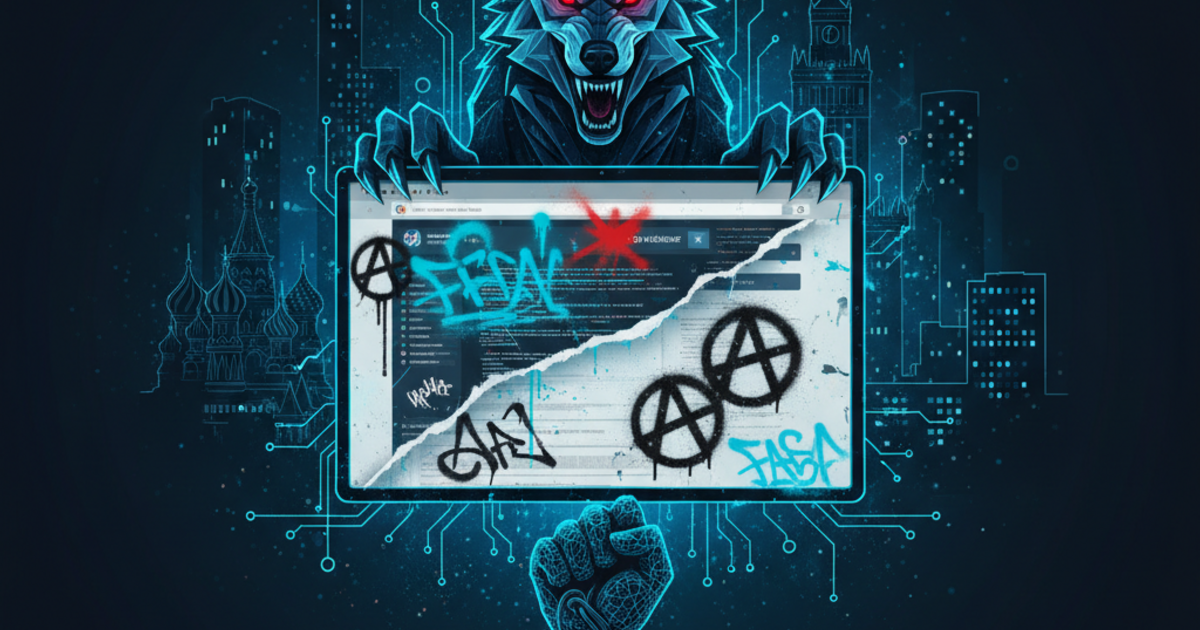
In the ever-evolving landscape of cybersecurity threats, web defacements stand out not just for their technical implications, but also for the cultural and political narratives they represent. From India to Vietnam, hacktivists are employing defacement as a weapon of choice, striking at the heart of institutions and corporations that they may deem unjust or corrupt. But what drives these digital protests? What sectors are most targeted? And how does this trend unfold within the context of Eastern Europe, especially Romania?
The Motivations Behind Hacktivism
Hacktivists often target platforms that they believe represent oppression, injustice, or inequality. This can range from government websites to corporate entities. For instance, the recent defacement of the Indian site by Z-BL4CX-H4T-ID suggests not just a skillful attack but a message against perceived injustices in the region. Such acts often relay a political message, attempting to rally public sentiment or raise awareness on specific issues.
Legal Vulnerabilities and Targeted Sectors
As highlighted by the recent alerts around the Spectra WordPress plugin vulnerability, there is a technical element to these defacements. Poorly secured websites are low-hanging fruit for attackers. In Romania and other Eastern European countries, where the digital economy is rapidly growing but security measures often lag, this presents a concerning trend. Sites within government sectors, educational institutions, and media outlets are frequently targeted. The risk increases dramatically when websites do not follow stringent security protocols or fail to update their systems promptly, revealing a substantial gap that can be exploited.
Geopolitical Context: Eastern Europe
The geopolitical landscape of Eastern Europe is fraught with tensions. Amid ongoing conflicts and economic disparities, hacktivists find fertile ground to express dissent. In Romania, CERT-RO has issued multiple advisories on securing critical infrastructure and public services, recognizing the heightened risk of cyberattacks in a region that borders ongoing conflicts and shifting alliances. Similar defacements targeting institutions in Albania and Moldova indicate a regional pattern where hacktivist groups coordinate or share methodologies, amplified by social media.
The Eastern European Digital Frontline
Defacements in neighboring countries mirror trends observed worldwide but are deeply rooted in local circumstances. For instance, when a site belonging to a Vietnamese company was defaced by Yur4-463 ZBL4CXH4TID, it not only highlighted vulnerabilities but also reflected political sentiments tied to national pride and the global stage. Such acts resonate within a local context, with hacktivists often using their skills to express grievances related to governance, corporate practices, or even foreign interventions.
Impact on Romania and the EU
As Eastern Europe grapples with increasing defacement attacks, the implications are profound not just for national security but also for the integrity of the European Union as a whole. Establishing robust cybersecurity measures is essential. EU member states, including Romania, must adapt to the evolving threat landscape by investing in digital resilience and fostering collaboration among nations to counteract hacktivist operations that cross borders.
Conclusion
Web defacements serve as more than just markers of cyber skill; they encapsulate socio-political grievances and cultural narratives. Understanding the motivations and methods behind these cyber protests can bolster defenses while also prompting critical discussions on freedoms and responsibilities in the digital age. For Romania and its neighbors, acknowledging these threats while fostering a proactive cybersecurity stance is imperative to safeguard digital infrastructures against the upcoming tide of hacktivism.


Comments
Loading comments...
Leave a Comment