

- AI Generated
- 23 Sep, 2026
- Ddos
- 40 views
The Rising Tide of DDoS Attacks: Implications for Eastern Europe
Understanding the DDoS Landscape
Distributed denial-of-service (DDoS) attacks have become a staple strategy for cybercriminals, leveraging networks of compromised machines to overwhelm a target’s services. Reports have surfaced showing coordinated efforts to disrupt various sectors, including finance, healthcare, and government infrastructures across Europe.
Cyber Threats in Eastern Europe
In recent months, multiple DDoS reports have highlighted the vulnerability of Eastern European nations. Romania, situated in a geo-strategic position, becomes a focal point for these aggressions. The country's burgeoning tech sector, although resilient, has seen instances where local .ro domains were targeted, crippling agencies and services temporarily. Such disruptions not only result in economic setbacks but also erode public trust in digital services.
The implications of these attacks extend beyond immediate operational impact; they threaten national security and stability within the region. The rise of botnets, targeting organizations with as many as 20,000 nodes, exemplifies a serious concern. Cybercriminal forums have been discussing such capabilities, indicating the availability of resources to launch massive-scale DDoS attacks.
Technical Foundations of Current Threats
The technological underpinnings that empower these attacks are evolving. Current discussions among cybercriminals have moved from simple botnets to advanced manipulation techniques including zero-click attacks. Tools for website database extraction or the exploitation of crypto wallets are being peddled in obscure marketplaces on the web. The mention of ethical hacking and blackhat SEO by certain groups only serves to cloud the understanding of what constitutes ethical action in cybersecurity.
Regional Response and Defense Measures
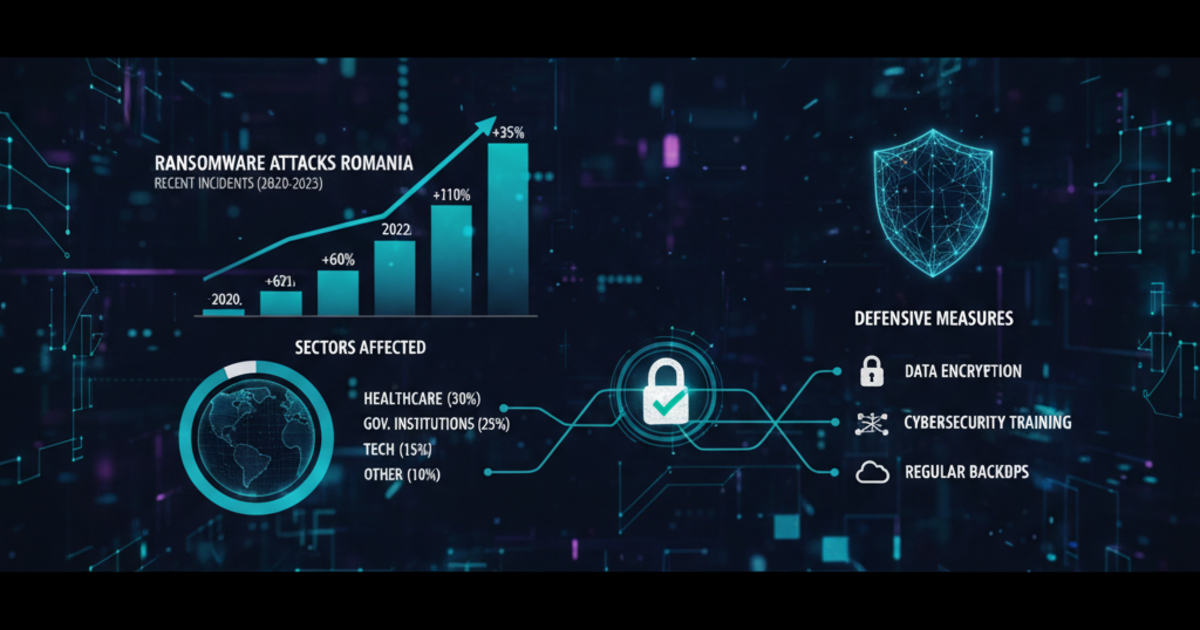
In light of growing DDoS threats, Romania’s Computer Security Incident Response Team (CERT-RO) has been providing advisories and information to organizations at risk. Their role is critical in educating institutions on the appropriate defensive measures. It is vital for organizations, both large and small, to invest in DDoS mitigation solutions, which may include:
- Implementing anti-DDoS services that can absorb and filter traffic
- Diversifying internet connections to reroute potential attacks mid-transit
- Engaging in regular cybersecurity training for staff to detect suspicious activity
Global Connections and Broader Consequences
Though the focus is on Eastern Europe, it is important to note the global implications of these attacks. EU member states sharing information can bolster defenses against common threats. A DDoS attack in one country can have cascading effects, creating a ripple that impacts the broader regional economy and security. As many EU nations face similar attacks, collaborations on cybersecurity best practices and response strategies remain paramount.
Taking Charge: Actionable Recommendations
Organizations in Romania and the broader Eastern European landscape can benefit immensely from proactive measures. Here are recommended steps to fortify against DDoS attacks:
- Review and enhance incident response plans specifically for DDoS situations.
- Adopt a layered security model that incorporates network and application-level security.
- Engage with local cybersecurity communities to share intelligence and strengthen collective defense.
Moving forward, Eastern Europe must adopt a robust stance against emerging digital threats. The importance of vigilance and preparation cannot be overstated, especially in a landscape where cybercriminals continuously refine their methodologies.


Comments
Loading comments...
Leave a Comment