
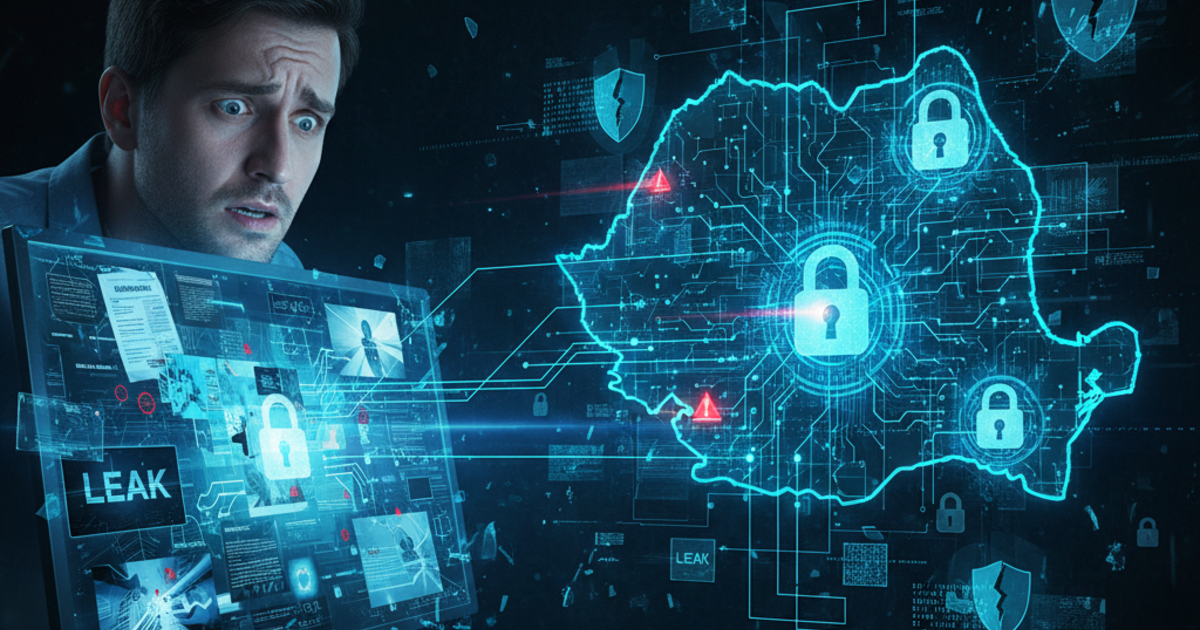
- AI Generated
- 10 Apr, 2026
- Data_leak
- 377 views
The Rising Tide of Data Leaks: Romanian Entities at Risk
- Romanian organizations are experiencing a significant rise in data leaks, impacting individual privacy and national security.
- Recent breaches have exposed personal identification and financial details of Romanian nationals, increasing the risk of identity theft and financial fraud.
- Cybercriminals are marketing tools that facilitate illicit activities, highlighting a growing trend in cybercrime targeting Romania.
Understanding the Recent Data Leakage Landscape in Romania
The current cybersecurity climate has been significantly affected by an alarming rise in data leaks, with recent incidents particularly impacting Romanian organizations. In a world increasingly reliant on digital frameworks, these breaches not only threaten individual privacy but also raise significant concerns over the national security of EU member states. The implications extend beyond borders, affecting regional stability and economic security.
In early April 2026, a significant data leak was reported from piratebuhta.club, where Romanian users were targeted. This breach exposed sensitive information that is likely to have been harvested through nefarious activities. Such incidents are indicative of a more extensive pattern, one which illustrates a growing sector of cybercrime directed toward exploiting vulnerabilities in Romanian data infrastructure.
Scope and Impact: What Data was Exposed?
According to reported information, the data leak involved personal identification and possibly financial details of Romanian nationals. The exposure of such intimate details poses a dual threat: hackers can facilitate identity theft or financial fraud against individuals, while aggregated data could be leveraged for more extensive cyber-espionage campaigns. Romanian citizens should remain vigilant against phishing attacks, particularly in the aftermath of such breaches, as cybercriminals often exploit a state of panic to increase their success rates.
Adding to this context is a previous incident detected on March 28, 2026, linked to blackhatworld.com, which focused on the sale of mobile proxy services purportedly geared towards Romanian users. This event underscores a worrying trend where cybercriminals market tools that facilitate further illicit activities against individuals and businesses alike.
Broader Implications on the European Landscape
The growing frequency of data leaks, especially those targeting nations within the European Union, highlights a systemic risk that not only affects Romania but also the entire bloc. Breaches that compromise personal data can erode consumer trust and impact regulatory efforts to enforce stricter data privacy laws. With the EU’s emphasis on the General Data Protection Regulation (GDPR), such events could lead to more stringent enforcement actions against affected organizations, complicating compliance frameworks and stymieing innovation.
The interconnected nature of the digital economy means that an attack on one member state ultimately poses risks to others, whether through compromised supply chains or widespread phishing campaigns exploiting similar vulnerabilities. Therefore, regional cooperation among CERTs (Computer Emergency Response Teams), specifically CERT-RO in Romania, is crucial. Increasing information sharing could effectively mitigate some of these risks.
Protective Measures and Best Practices
In the wake of these alarming breaches, the onus is on individuals and organizations to adopt proactive cybersecurity practices. Here are some essential steps to bolster defenses:
- Utilize Strong Passwords: Employ complex passwords and a password manager to store them safely.
- Enable Multi-factor Authentication (MFA): Encourage the use of MFA wherever possible to add an additional layer of security.
- Regular Updates: Ensure all software, including security programs, is up to date to protect against known vulnerabilities.
- Monitor Financial Statements: Regularly check bank and credit accounts for unauthorized transactions or anomalies.
- Education and Awareness: Stay informed about the latest cyber threats and educate employees on phishing and social engineering tactics.
As Romania navigates these current cybersecurity challenges, it is crucial for both individuals and institutions to remain vigilant and proactive. Only by fostering a culture of awareness and readiness can we hope to combat the growing threat of data leaks and protect our digital identities.
Frequently asked questions
What types of data were exposed in the recent data leaks affecting Romanian users?
The recent data leaks involved personal identification and possibly financial details of Romanian nationals, posing risks of identity theft and financial fraud.
What measures can individuals take to protect themselves from cyber threats following these data breaches?
Individuals can protect themselves by utilizing strong passwords, enabling multi-factor authentication, regularly updating software, monitoring financial statements, and staying informed about cyber threats.
How do data breaches in Romania affect the broader European Union?
Data breaches in Romania pose systemic risks to the entire EU, eroding consumer trust and complicating compliance with data privacy laws like the GDPR, which could lead to stricter enforcement actions.

Comments
Loading comments...
Leave a Comment