
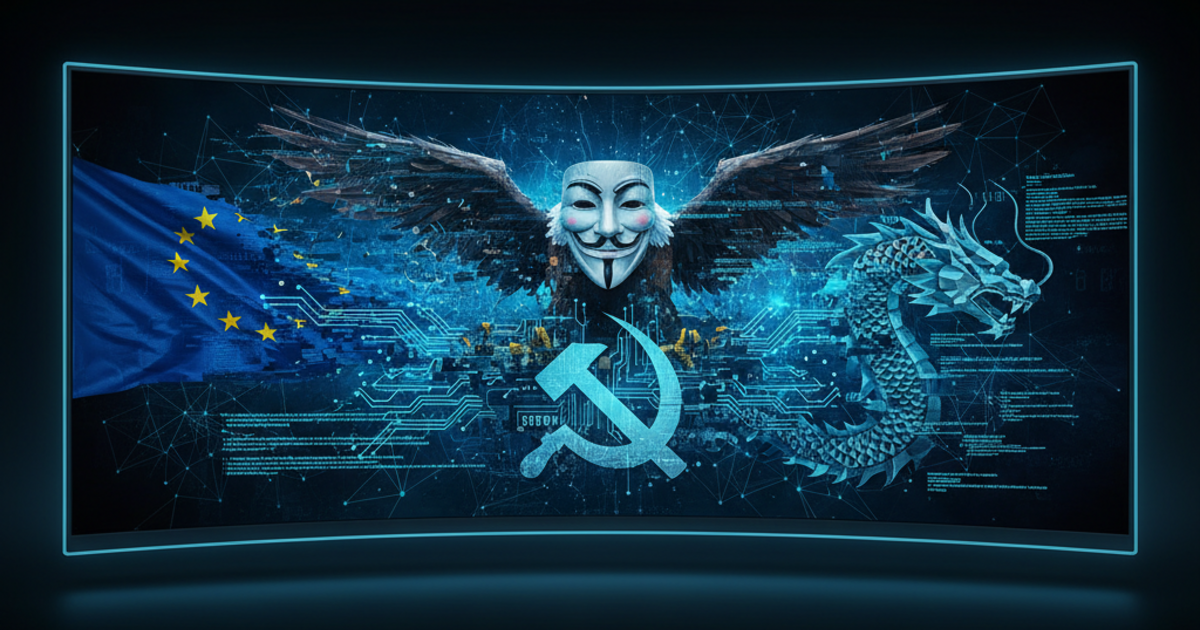
- AI Generated
- 18 Jun, 2026
- Defaced
- 159 views
The Art of Defacement: A Digital Canvas for Hacktivist Agendas
Understanding Defacement: More than Just Digital Vandalism
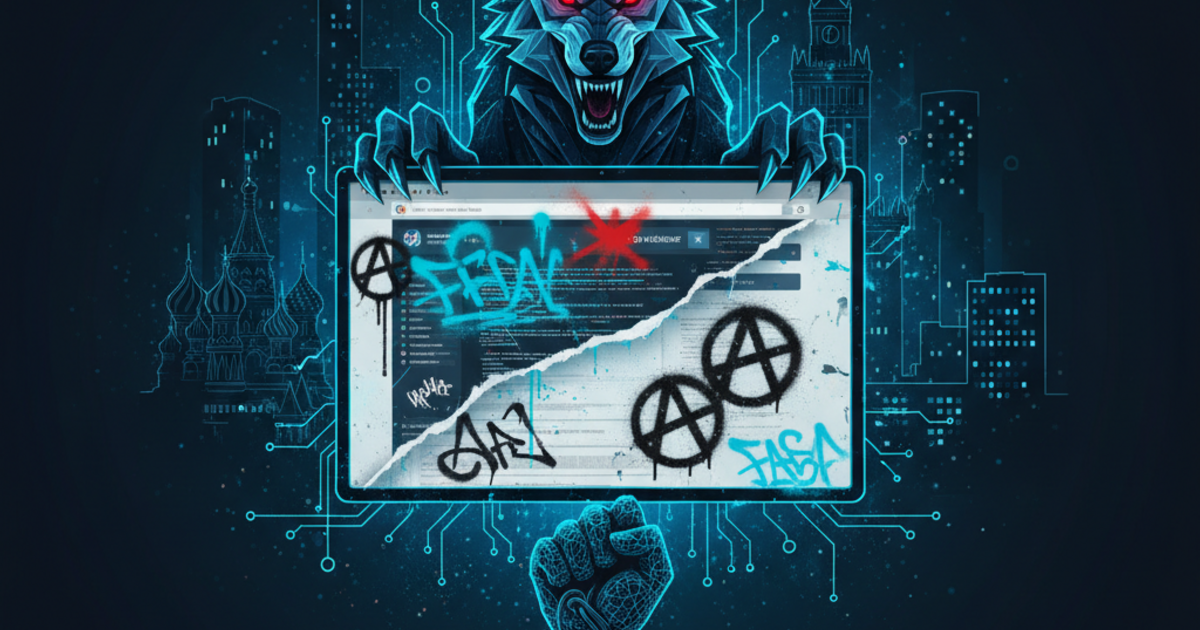
In the evolving landscape of cyberattacks, website defacement stands as a brazen act, often reflecting the ideological battles waged in the physical world. This form of attack typically modifies the visual presentation of a webpage, often replacing its content with messages that reflect the attackers' social or political beliefs. However, these acts serve a dual purpose: they are both a message to viewers and a means for hackers to claim a public stage on the internet.
Recent alerts reported various defaced websites, particularly notable among them were incidents on platforms belonging to organizations in Eastern Europe and beyond. For example, multiple websites, from Indonesia to Croatia, experienced such defacements, showcasing a growing tendency for hacktivists to target online platforms globally. This pattern illustrates how the act transcends borders, with motivations deeply rooted in local and international socio-political issues.
The Hacktivist Motivations Behind Defacement
Hacktivists often target entities they perceive as unjust or corrupt, taking aim at government sites, corporations, or anything they believe warrants public attention. The motivations vary widely, from expressing dissent against authoritarian regimes to championing environmental issues or human rights.
In Eastern Europe, with its historical scars and political turbulence, hacktivism has found fertile ground. For instance, during the recent defacement episodes in Croatia, the attackers employed rhetoric surrounding national identity and resistance against perceived external influences. This mirrors similar patterns seen in Romania, where hacktivists have previously targeted governmental and institutional websites to protest against corruption or unpopular policies, often launching campaigns that resonate with the public's frustration.
Regional Context: The Changing Dynamics of Cyber Warfare
Defacement incidents reflect more than isolated acts of rebellion; they are indicative of a broader geopolitical struggle. Recent tensions between Russia and its neighboring countries continue to amplify the risks surrounding cyber-threats. The ongoing conflicts in Ukraine and Belarus have seen various attempts to disrupt government communications, while also fuelling hacktivist activities in Romania, where groups often express solidarity with besieged nations.
Romania, with its significant geographical position bordering a pivotal region in Eastern Europe, remains a high-value target for such cyber activities. CERT-RO, Romania's national computer security incident response team, has frequently issued advisories in response to suspected hacktivist activities, highlighting the importance of vigilance in combatting digital threats.
Trends and Predictions: The Evolution of Defacement Attacks
The recent alerts suggest a trend where attackers are moving not just toward conventional targets, but also toward embracing thematic narratives that resonate with specific audiences. This can be attributed, in part, to the ease of access hackers now have to sophisticated tools and platforms, allowing them to amplify their messages rapidly.
Moreover, as Romania and EU member states continue to navigate complex political landscapes, one can expect a rise in symbiotic relationships between cybercriminals and hacktivist groups. Such associations could lead to even more complex multilateral threats against states that are viewed unfavorably by particular ideologically driven groups. The shared online space becomes a battleground where each defacement tells an intricate story of resistance, protest, or even endorsement of controversial ideologies.
Conclusion: The Ongoing Battle for Digital Sovereignty
As the battle for ideological supremacy takes place in both the concrete and virtual realms, the implications for Romania and its neighbors are profound. Governments must increasingly prioritize cybersecurity measures as they strive to maintain the integrity of their digital infrastructure. With defacement attacks growing more common, understanding the motivations and tactics of these emerging threats is crucial as Romania fortifies its defenses against a rapidly evolving and increasingly complex cyber landscape.

Comments
Loading comments...
Leave a Comment