

- AI Generated
- 17 Apr, 2026
- Ransomware
- 305 views
Romanian Enterprises Under Siege: The Evolving Landscape of Ransomware Attacks
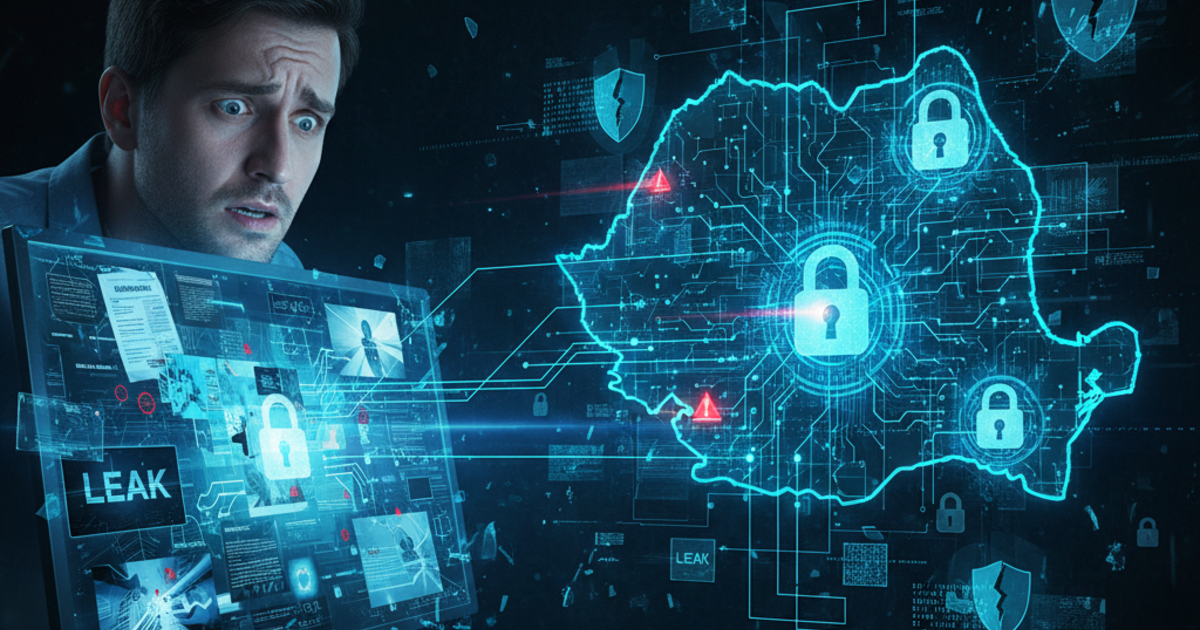
- Romania is experiencing a significant increase in ransomware attacks, with companies like Biotehnos, Aplast, and Conrepsa being targeted by groups such as Lamashtu, Lockbit5, and Krybit.
- These attacks are characterized by sophisticated planning, including tailored phishing campaigns and exploitation of system vulnerabilities.
- European cybersecurity agencies are advising businesses to enhance their defenses through continuous monitoring, regular backups, and employee training to combat the rising ransomware threat.
The Rise of Ransomware in Romania
As reported in recent weeks, Romania is facing an unprecedented wave of ransomware attacks, highlighting a concerning trend that compromises both local and European cybersecurity landscapes. Organizations such as Biotehnos, Aplast, and Conrepsa have fallen victim to notorious ransomware groups like Lamashtu, Lockbit5, and Krybit. Each incident unveils a sophisticated level of planning and execution on behalf of the attackers, raising significant alarm for Romanian enterprises and their patrons.
On April 16, 2026, Biotehnos became the latest target by the Lamashtu group, who claimed responsibility for the breach via their typical modus operandi—publicly releasing stolen data to coerce the victim into compliance. The exposure of sensitive information could not only harm Biotehnos’s business reputation but also compromise the personal data of its clients and partners, given the nature of the biotechnology sector.
A Pattern of Calculated Attacks
On the very same week, Aplast and Conrepsa were similarly attacked by Lockbit5 and Krybit, respectively, demonstrating a strategic focus on companies operating within important sectors. This pattern illustrates that these groups are not randomly selecting targets; they are deliberately choosing industries with high stakes for not only themselves but for the region.
The actions of Lockbit5 and Krybit are particularly notable for their aggressive tactics, including tailored phishing campaigns and leveraging common vulnerabilities like CVE-2019-25689 to deploy malware. By exploiting weaknesses in systems, these groups can move laterally within networks, increasing their chances of a lucrative payday. The case of Conrepsa, with its attack occurring just days after Aplast, signals a rising trend in ransomware strains being applied with smaller yet impactful iterations.
The Larger European Context
This surge of attacks in Romania coincides with broader trends within Europe, where threats of this nature are becoming more commonplace. Countries are seeing a closer alignment of cybercrime patterns, where the lessons learned in one region are applied across the continent. For instance, the successive nature of the attacks on multiple Romanian sites warns other enterprises across Europe to bolster their defenses against this emerging wave.
European Cybersecurity Agencies, including CERT-RO, are urging businesses to adopt a proactive stance against ransomware. Their advice highlights the significance of implementing layers of security encompassing continuous monitoring, regular backups, employee training, and robust incident response plans. The implementation of strong access controls and patches can buffer against both established and emerging threats.
Defensive Strategies in Effect
Romanian companies must re-examine their cybersecurity strategies in light of these revelations. There has never been a more pressing time to invest in security infrastructure, including deploying advanced threat detection tools to catch potentially harmful activities before they escalate into full-blown incidents. The importance of practicing good cyber hygiene, fostering an environment where staff members are trained to recognize phishing attempts, and maintaining regular software updates should not be understated.
The lesson here is clear: the resilience of Romanian institutions can be fortified through vigilance and preparedness as the ransomware landscape continues to evolve. Institutions must not only respond to these challenges but also adapt to the ever-shifting tactics of cybercriminals, leveraging comprehensive cyber intelligence and collaboration across borders to mitigate threats collectively.
Conclusion
The ongoing attacks targeting Romanian entities beckon a concerted response from both private and public sectors. As cybercriminals refine their tactics, it’s imperative that Romania takes the lead in establishing a robust cybersecurity framework not just for itself, but as a model within the EU. The stakes have never been higher, and the battle against ransomware demands nothing less than total commitment.
Frequently asked questions
What are some recent examples of ransomware attacks in Romania?
Recent ransomware attacks in Romania include incidents involving Biotehnos, Aplast, and Conrepsa, which were targeted by groups like Lamashtu, Lockbit5, and Krybit.
What strategies are recommended for Romanian companies to combat ransomware?
Romanian companies are advised to implement layers of security, including continuous monitoring, regular backups, employee training, and robust incident response plans to effectively combat ransomware.
How are ransomware attacks in Romania affecting the broader European cybersecurity landscape?
The surge of ransomware attacks in Romania reflects a broader trend in Europe, where similar cybercrime patterns are emerging, prompting a call for enhanced cybersecurity measures across the continent.

Comments
Loading comments...
Leave a Comment