

- AI Generated
- 21 Apr, 2026
- Ransomware
- 404 views
Romania's Ransomware Gamble: Evolution of Threats and Defense Strategies
- Romania has experienced a surge in ransomware attacks, with companies like Biotehnos and Aplast targeted by groups such as Lamashtu and Lockbit 5.
- Ransomware tactics are evolving, now often combining data exfiltration with traditional encryption methods to increase pressure on victims.
- Romanian organizations need to reassess their cybersecurity frameworks and adopt advanced threat detection systems and employee training to combat these threats.
The Rising Tide of Ransomware in Romania
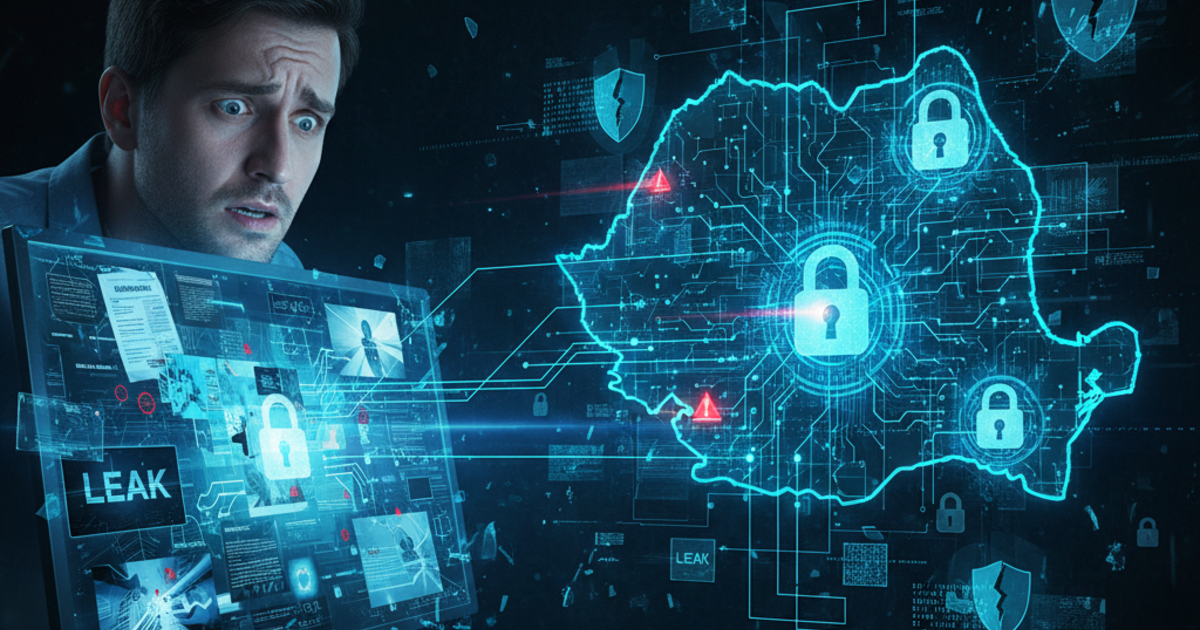
In the past weeks, the cyber landscape in Romania has witnessed a troubling surge in ransomware attacks. Notably, firms like Biotehnos and Aplast have found themselves in the crosshairs of evolving ransomware groups such as Lamashtu and Lockbit 5. These incidents echo the global rise in cyber extortion where cybercriminals are increasingly sophisticated in their tactics, posing significant risks not just to local entities but also to the wider European market.
The attack on Biotehnos, a key player in the biotech industry, by Lamashtu is particularly alarming. Following the breach, the company faced demands that not only threatened to cripple its operations but also endanger sensitive customer data. Meanwhile, the Lockbit 5 gang claimed responsibility for infiltrating Aplast, a firm known for its manufacturing capabilities, exacerbating fears about national security linked to critical infrastructure. These incidents underscore the need for businesses in Romania to reconsider their cybersecurity postures.
The Evolving Tactics of Ransomware Groups
Recent attacks reveal a shift in strategies among ransomware groups. The tactics employed reflect a growing trend toward multi-faceted attacks combining ransomware with other forms of cyber abuse, such as data exfiltration. While traditional ransomware encrypts files, capturing sensitive data before the attack enables adversaries to threaten public leaks, amplifying the pressure on victims.
Ransomware groups are also employing advanced evasion techniques, utilizing tools like QEMU to complicate detection by standard security measures. This evolution signifies that the current defense mechanisms may be inadequate against the increasing ingenuity of cybercriminals. For Romanian organizations, these developments necessitate a reassessment of their cybersecurity frameworks.
Broader European Implications
The repercussions of rising ransomware threats are not felt in isolation; they ripple across borders. As seen with the recent exploits targeting Romanian firms, entities in neighboring EU nations could be equally vulnerable. The interconnectedness of digital infrastructures means that a breach in one country can have cascading effects, compromising supply chains and essential services across the continent.
Moreover, cyber policies within the EU are evolving to combat these threats. Initiatives like the EU Cybersecurity Strategy and the Digital Operational Resilience Act aim to enhance preparedness among member states against cyber incidents. Romania's critical role in these discussions is clear, as securing its institutions becomes vital to maintaining regional stability.
Defense Strategies for Romanian Businesses
As the cyber threat landscape continues to evolve, Romanian organizations must adopt proactive strategies to protect themselves. Key measures include deploying advanced threat detection systems that incorporate machine learning to identify anomalous behaviors indicative of ransomware attacks. Comprehensive employee training on recognizing phishing attempts can also diminish the risk of initial infections.
Furthermore, regular data backups, coupled with a robust incident response plan, can serve as critical lifelines in the event of successful intrusions. Engaging with local cybersecurity experts like CERT-RO can provide organizations with the intelligence and tools necessary to bolster defenses in the face of rising threats.
Conclusion: A Call to Action
The recent uptick in ransomware incidents within Romania highlights an urgent need for heightened vigilance and more effective defense mechanisms. As we see global trends influencing local conditions, Romanian businesses must remain agile and innovative in their approach to cybersecurity. The time for action is now; in the war against ransomware, preparedness is the key to survival.
Frequently asked questions
What recent ransomware attacks have occurred in Romania?
Recent ransomware attacks in Romania have targeted companies like Biotehnos and Aplast, with the Lamashtu and Lockbit 5 groups claiming responsibility for these incidents.
What strategies should Romanian businesses implement to defend against ransomware?
Romanian businesses should deploy advanced threat detection systems, conduct comprehensive employee training on phishing, maintain regular data backups, and develop robust incident response plans.
How do ransomware threats in Romania affect other European countries?
Ransomware threats in Romania can have broader implications for neighboring EU nations due to the interconnectedness of digital infrastructures, potentially compromising supply chains and essential services across the continent.

Comments
Loading comments...
Leave a Comment