
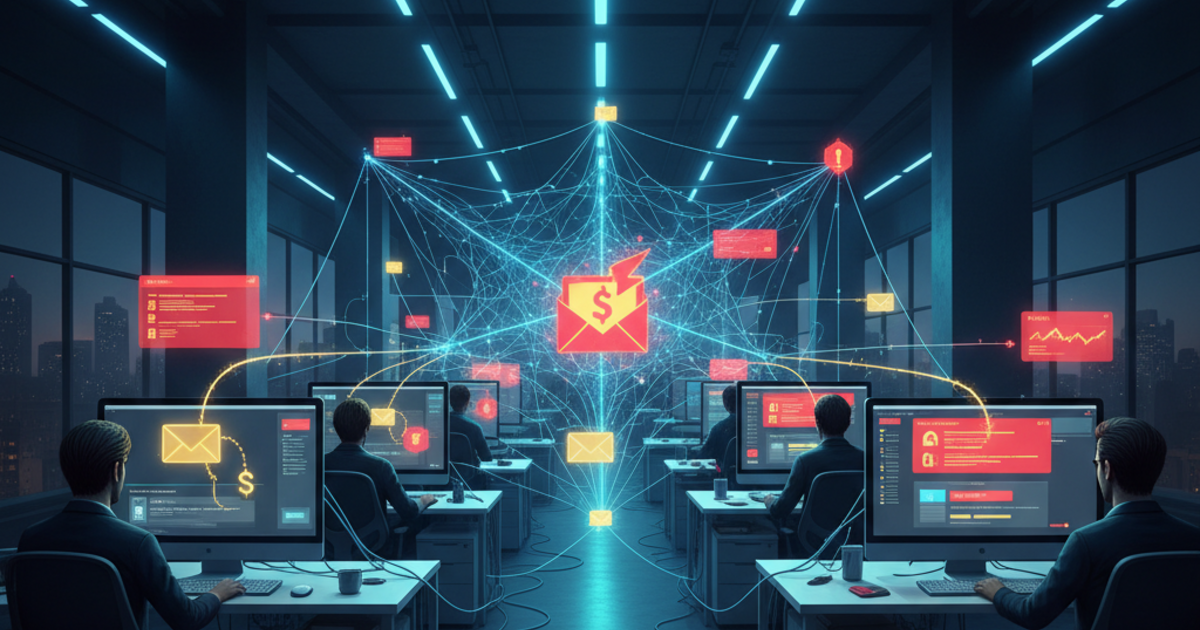
- AI Generated
- 27 Jul, 2026
- Phishing
- 261 views
Phishing 2.0: Evolving Techniques and Their Implications for Eastern Europe
- Phishing attacks have evolved from basic scams to sophisticated real-time account hijacking techniques, especially in the insurance sector.
- The BlueNoroff group is targeting cryptocurrency users with phishing tactics that involve typosquatted domains and fake communications.
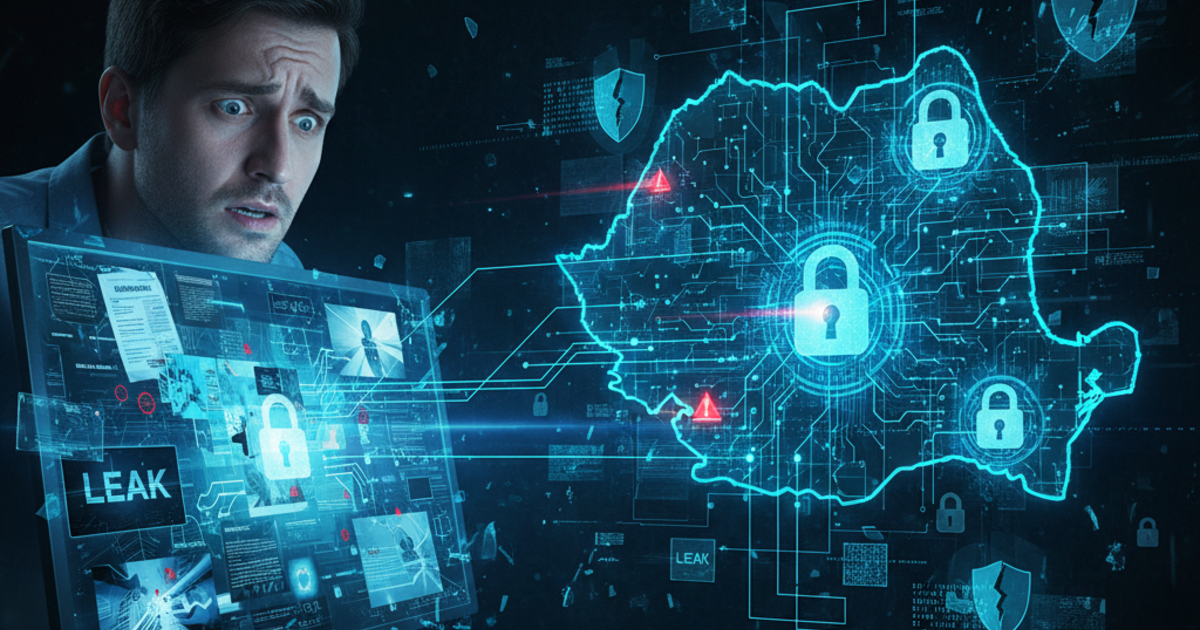
- Romanian institutions are increasingly vulnerable to phishing threats, necessitating a reevaluation of their cybersecurity strategies.
The Rise of Sophisticated Phishing Attacks
Phishing remains one of the most prevalent cyber threats, evolving constantly to evade detection and increase its effectiveness. Recent insights highlight how phishing tactics have shifted from basic email scams to more complex, real-time account hijacking techniques, particularly in the insurance sector. Similarly, the introduction of sophisticated phishing kits like the BlueNoroff Zoom phishing kit raises alarm, as threat actors target cryptocurrency users with advanced profiling methods.
Insurance Sector Under Siege
According to research by CTM360, phishing attacks targeting the insurance industry have evolved dramatically. Once limited to credential theft, these attacks now engage in real-time account hijacking, allowing attackers to manipulate victim accounts swiftly without detection. The implications for Romania, where the insurance sector is undergoing digital transformation, are significant. With various agencies and .ro domains being potential targets, local institutions must rethink their cybersecurity posture.
Case Developments in Romania
Romanian institutions have had their share of phishing attempts and scams over the years, with CERT-RO frequently issuing advisories to warn organizations and the public about increased phishing threats. These alerts serve as reminders of the vulnerabilities present across digital platforms, especially among banks and insurance providers that are increasingly reliant on online services. As attackers improve their methodology, Romanian organizations must be vigilant, understanding that a failure to adapt could result in catastrophic breaches.
BlueNoroff's Targeting of Cryptocurrency Users
Furthermore, the North Korean group BlueNoroff has been leveraging phishing tactics to specifically target users of cryptocurrency wallets through genuine-looking communications from platforms like Zoom. This dubious technique employs typosquatted domains and is designed to harvest significant amounts of sensitive data before malware is deployed. This reality serves to underline a broader trend affecting Eastern Europe, where the cryptocurrency market is burgeoning, drawing the ire of cybercriminals. With millions invested in digital assets, threats aimed at crypto wallets can have devastating financial impacts on individuals and organizations alike.
Actionable Recommendations
1. **Educate Employees:** Continuous awareness training should be mandatory for employees, focusing on recognizing phishing attempts and identifying social engineering tactics used by attackers.
2. **Implement Multi-Factor Authentication (MFA):** This additional layer of security can prevent unauthorized access even if credentials are compromised.
3. **Utilize Email Filtering Solutions:** Advanced email filtering can help identify and block malicious emails before they reach end users, reducing the risk of phishing attacks.
4. **Conduct Regular Phishing Simulations:** Testing employees through simulated phishing attacks can help gauge their awareness and preparedness, reinforcing best practices.
5. **Stay Informed of Emerging Threats:** Organizations must keep abreast of the latest phishing trends and regularly consult credible sources like CERT-RO for alerts and advisories relevant to the Romanian context.
Conclusion
As phishing tactics evolve, the necessity for robust cybersecurity measures becomes ever more paramount, particularly in Eastern Europe. Local organizations, aware of their unique vulnerabilities, should approach cybersecurity not simply as a technical issue but as a crucial component of business resilience. Failure to act not only jeopardizes individual organizations but also threatens the cybersecurity landscape of Romania and the greater EU region.
Frequently asked questions
What are the main tactics used in modern phishing attacks?
Modern phishing attacks utilize complex techniques such as real-time account hijacking and advanced profiling methods to target specific sectors like insurance and cryptocurrency.
How can organizations protect themselves from phishing attacks?
Organizations can protect themselves by educating employees about phishing, implementing multi-factor authentication, utilizing email filtering solutions, conducting regular phishing simulations, and staying informed about emerging threats.
Why is the insurance sector particularly targeted by phishing attacks?
The insurance sector is targeted due to its increasing reliance on digital services, making it a prime candidate for sophisticated phishing attacks that can manipulate victim accounts swiftly.

Comments
Loading comments...
Leave a Comment