
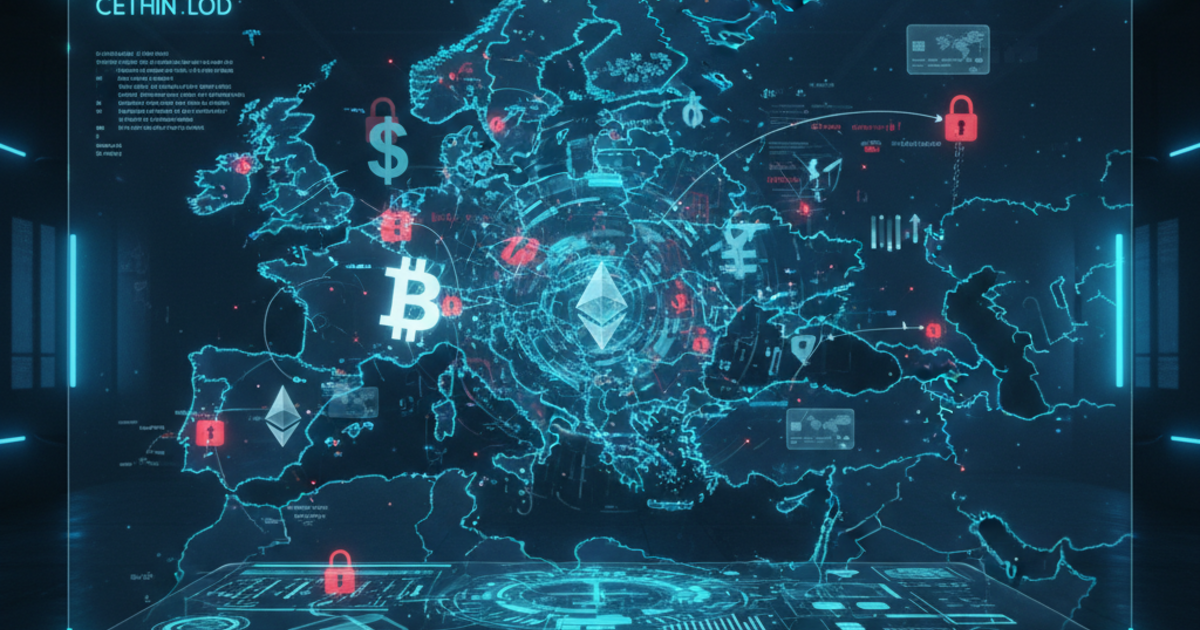
- AI Generated
- 20 Jul, 2026
- Exploit
- 314 views
Navigating the Dark Waters of Exploits: A Regional Perspective
- Cybercriminals are increasingly exploiting vulnerabilities in Eastern Europe, particularly Romania, through various tactics such as account exploitation and financial fraud.
- The rise of cryptocurrency laundering services complicates law enforcement efforts to trace illicit funds.
- Organizations are advised to implement Multi-Factor Authentication, conduct regular security training, and utilize advanced threat detection tools to enhance their cybersecurity posture.
Introduction
As cybercriminals continually evolve their tactics, the landscape of cyber threats remains increasingly fraught with challenges. Recent alerts from the threat intelligence community, highlighting exploit activity on various platforms, are a stark reminder of the vulnerability many face, particularly in Eastern Europe. This article focuses on these emerging threats, particularly their relevance to Romania and its surrounding regions.
Current Threat Landscape
The following exploit-focused alerts showcase the notorious tactics that have become standard among cybercriminals:
- brex.com exploit: A scheme offering to buy everything with a high transaction limit hints at a sophisticated approach to account exploitation.
- Anonymous Crypto Cleaning: The rise of laundering services utilizing BTC showcases how cryptocurrencies are not just a tool for legitimate transactions but also a haven for illicit activities.
- Purchase of Credit Cards and CVVs: The troubling ease of acquiring sensitive financial information underscores a critical vulnerability in the current finance ecosystem.
- BITCLEANER Mixer: This service facilitates the anonymization of illicit funds, further complicating law enforcement's ability to trace the origins of funds being laundered.
The Eastern European Context
Eastern Europe, particularly Romania, has been a focal point for numerous cyber threats in recent years. The local context is crucial; according to CERT-RO (the Romanian Computer Security Incident Response Team), the prevalence of online scams and financial fraud has seen a sharp uptick, driven by the very tactics highlighted in the aforementioned alerts.
Romanian institutions have been particularly susceptible to such threats due to various factors including the rise of cryptocurrency use without adequate regulatory oversight. This presents a conundrum: while cryptocurrencies offer significant benefits for legitimate transactions, their anonymity continues to serve as a shield for cybercriminals.
Local Incidents and Trends
Recent incidents in Romania involving the use of stolen credit cards align closely with the purchase schemes seen in the current alerts. A spike in phishing attempts aiming at Romanian citizens, leveraging local banking institutions through emails and social engineering tactics, emphasizes this ongoing trend.
Actionable Recommendations
In light of this alarming landscape, the following measures are recommended for organizations across Romania and neighboring countries to bolster their defenses:
- Adopt Multi-Factor Authentication (MFA): This crucial layer of security adds significant difficulty for cybercriminals attempting account breaches.
- Regular Security Training: Employee awareness and training regarding phishing, social engineering, and the latest scams are non-negotiable for safeguarding sensitive information.
- Implement Advanced Threat Detection Tools: Utilizing AI-driven solutions to detect unusual transactions can mitigate risks associated with account exploitation.
- Collaborate with Cybersecurity Entities: Partnering with local CERTs and cybersecurity companies can provide valuable insights and rapid response capabilities to emerging threats.
- Stay Informed: Follow reputable cybersecurity news sources and participate in threat intelligence sharing to stay ahead of the evolving landscape.
Conclusion
The ramifications of these exploitative movements extend far beyond immediate financial losses; they threaten national security, economic stability, and the integrity of the burgeoning digital economy in Eastern Europe. Comprehensive strategies incorporating technology, awareness, and proactive measures tailored to the local context will be crucial in mitigating these risks. As we advance into this uncertain cyber landscape, a unified effort will be key in protecting assets and information across Romania and the wider EU.
Frequently asked questions
What are some common tactics used by cybercriminals in Eastern Europe?
Common tactics include account exploitation schemes, the use of laundering services for cryptocurrencies, and the purchase of stolen credit card information. These methods highlight the vulnerabilities present in the financial ecosystem.
Why is Romania particularly vulnerable to cyber threats?
Romania's vulnerability stems from a rise in cryptocurrency use without adequate regulatory oversight, making it a target for scams and financial fraud. Local institutions have been increasingly affected by phishing attempts and other cybercriminal activities.
What measures can organizations take to protect themselves from cyber threats?
Organizations should adopt Multi-Factor Authentication, provide regular security training for employees, implement advanced threat detection tools, collaborate with cybersecurity entities, and stay informed through reputable cybersecurity news sources.

Comments
Loading comments...
Leave a Comment