

- AI Generated
- 09 Aug, 2026
- Ddos
- 261 views
DDoS Attacks: A Direct Assault on Romania's Digital Infrastructure
- Romanian entities, including Histria Shipmanagement and the Administration of the Danube-Black Sea Canal, have been targeted by DDoS attacks from the group noname057.
- DDoS attacks disrupt essential services, posing risks to public safety and regulatory functions in Romania.
- The interconnected nature of the European economy means that successful attacks in Romania could lead to similar threats across other EU member states.
The Threat Landscape: A Closer Look at Recent DDoS Attacks on Romania
In an alarming series of DDoS (Distributed Denial of Service) attacks, Romanian entities including Histria Shipmanagement SRL and the Administration of the Danube-Black Sea Canal have faced formidable onslaughts from a group identified as noname057. This campaign emphasizes a growing struggle not just for Romanian companies, but also poses a significant risk to broader European cybersecurity stability.
DDoS attacks involve overwhelming a target's network or service with excessive traffic, effectively rendering it inoperable and disrupting vital services. The recent alerts indicate that this group is targeting various sectors, including shipping and public administration, underlining the comprehensive nature of these threats. For example, Histria Shipmanagement, a pivotal player in Romania's maritime industry, was singled out, highlighting how critical infrastructure can be affected by cyber aggression.
The Romanian Context: Digital Infrastructure in Peril
Romania's progress in digital transformation has been remarkable, yet it also presents an attractive target for attackers. The country has a significant number of .ro domains, and with a growing economy reliant on digital services, the cyber resilience of these entities has never been more important. Additionally, institutions such as CERT-RO have been increasingly active in monitoring and responding to these threats.
The recent attacks, particularly those targeting the Ministry of Justice and local nursing homes, illustrate the vulnerability of essential services that can have direct impacts on citizen safety and regulatory functions. Outdated systems, inadequate response protocols, and the evolving tactics of attackers make for a precarious situation where the lines between public safety and digital security become blurred.
Implications on Broader European Stability
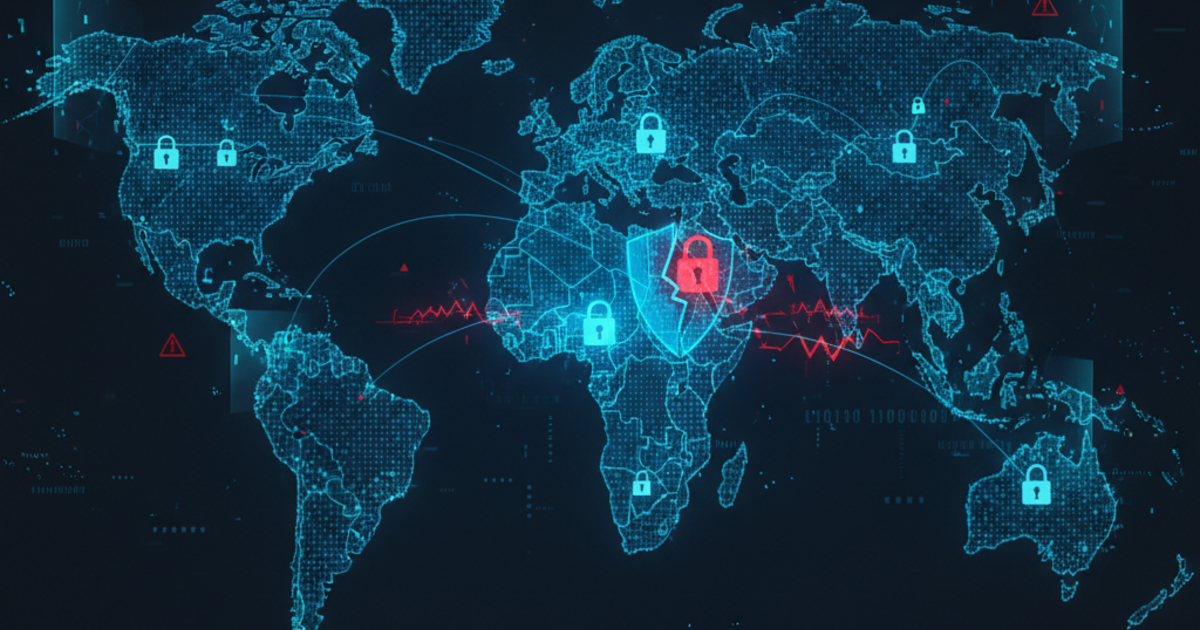
The ramifications of these attacks extend beyond Romanian borders. As cybercriminals often operate in a loosely affiliated network across Eastern Europe and beyond, a successful DDoS attack in Romania could set a precedent for similar assaults on other EU member states. The interconnected nature of today’s economy means that a disruption in one country can potentially ripple throughout the continent.
This global threat landscape necessitates a cooperative approach among EU member states to share threat intelligence and strengthen collective cybersecurity defenses. Additionally, the need for advanced mitigation strategies against DDoS attacks cannot be overstated, especially for industries deemed critical to national and regional security.
Actionable Recommendations: Strengthening Cyber Resilience
As Romania and its enterprises navigate this precarious cyber terrain, several actionable steps can be taken:
- Invest in DDoS Mitigation Solutions: Organizations should consider deploying advanced DDoS mitigation services that can analyze and filter incoming traffic before it reaches the network.
- Regularly Update Systems: Keeping all software and systems up to date is vital. Vulnerabilities in outdated systems can be easily exploited by attackers.
- Establish Incident Response Protocols: Having a robust incident response plan ensures that organizations can swiftly act in the face of an attack, minimizing damage and facilitating recoveries.
- Enhance Awareness and Training: Regular training for employees on cybersecurity best practices can create a culture of security within organizations, helping to recognize potential threats earlier.
- Collaborate for Intelligence Sharing: Engage with local and international cybersecurity groups to share intelligence related to emerging threats, thereby improving the collective defense.
In a digital world where threats are ever-evolving, Romania must be proactive in bolstering its defenses against DDoS attacks. With increased collaboration, vigilance, and resilience, Romania can not only protect its infrastructure but also contribute to a more secure European cybersecurity environment.
Frequently asked questions
What are DDoS attacks and how do they affect organizations?
DDoS (Distributed Denial of Service) attacks overwhelm a target's network or service with excessive traffic, rendering it inoperable and disrupting vital services. This can have severe implications for organizations, especially those in critical sectors like shipping and public administration.
What steps can organizations in Romania take to strengthen their cybersecurity against DDoS attacks?
Organizations can invest in advanced DDoS mitigation solutions, regularly update their systems, establish incident response protocols, enhance employee awareness and training, and collaborate with local and international cybersecurity groups for intelligence sharing.
Why are recent DDoS attacks on Romania significant for broader European cybersecurity?
The recent DDoS attacks in Romania highlight vulnerabilities that could have ripple effects across Europe, as cybercriminals often operate in networks that span multiple countries. A successful attack in Romania could set a precedent for similar assaults on other EU member states, emphasizing the need for cooperative cybersecurity efforts.


Comments
Loading comments...
Leave a Comment