
- AI Generated
- 06 Aug, 2026
- Ddos
- 204 views
Cyberstorm Over Romania: Rising DDoS Attacks Target Key Institutions
The Growing Threat Landscape
In recent weeks, Romania has faced an onslaught of Distributed Denial-of-Service (DDoS) attacks that have targeted prominent institutions such as SIVECO Romania SA, a leading software developer, and RAJA S.A., a crucial water supply company in Constanța. These attacks signify not only a rise in cyber threats specific to Romania but also reflect a troubling trend that could reverberate throughout the EU.
The notorious hacking group known as Noname057 has publicly boasted about their attacks, claiming that "Romanian websites are depressed" in a brazen statement after executing multiple DDoS operations. The attacks not only disrupt services but aim to instill fear among companies contributing to the economy and essential services that citizens rely upon.
Analyzing the Attacks
Each instance of the DDoS attacks reported showcases a clear methodology. For example, the targeting of RAJA S.A. coincides with strategic threats aimed at critical infrastructure, raising alarms about the potential for more significant disruptions. The hackers have also claimed access to video surveillance systems of various local businesses, focusing on establishments identified with pro-Ukrainian sentiment. This raises questions not just about cybersecurity but also about geopolitical tensions affecting Romania.
According to CERT-RO, the national cybersecurity authority, the increasing frequency and severity of such attacks underline a growing pattern of aggressive online tactics employed by malicious actors. Romanian entities should remain vigilant, as the impact of these attacks could potentially escalate tensions in an already volatile region fragile due to the ongoing conflict in Ukraine.
Global Implications
While Romania is currently facing localized challenges, the implications of these DDoS attacks extend far beyond its borders. DDoS attacks can be vehicles for larger geopolitical strategies, destabilizing regions and eroding trust in public institutions. In a European context, such threats require collective action and robust cooperative frameworks to safeguard not just Romania, but the integrity of EU member states alike.
As the European Union continues to bolster its cybersecurity posture, Romania’s experience serves as a necessary case study for other member states. By analyzing the nature and aftermath of these attacks, countries can better prepare for and mitigate similar threats.
Actionable Recommendations
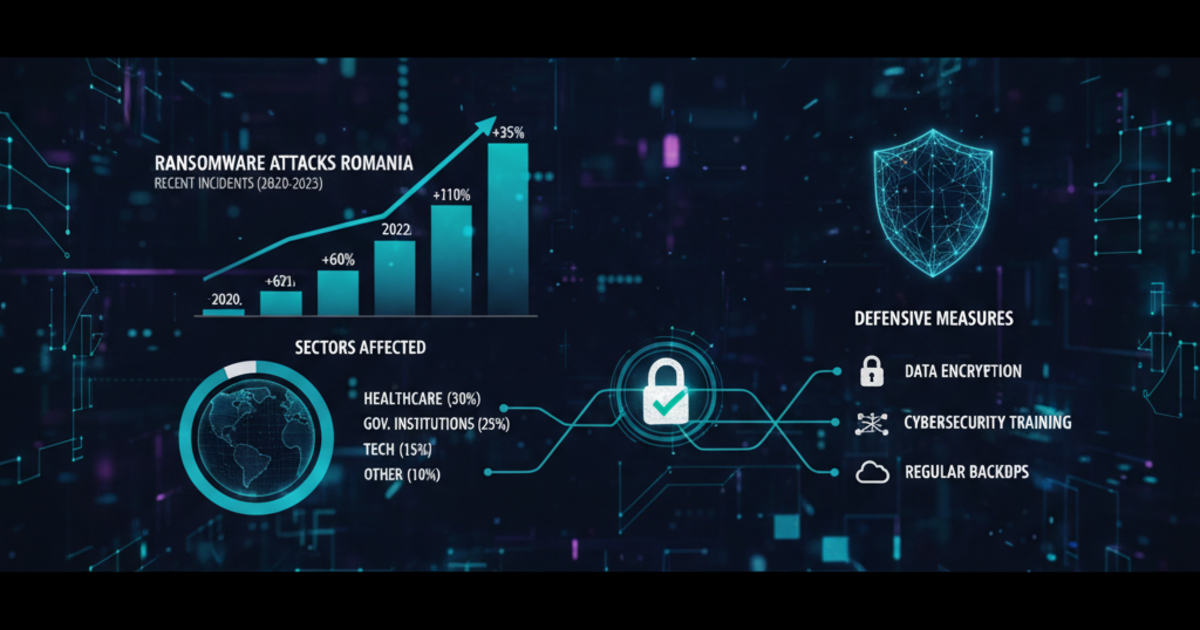
To bolster defenses against impending DDoS attacks, Romanian organizations can take several proactive measures:
- Invest in DDoS Mitigation Solutions: Organizations should deploy advanced DDoS protection services that can absorbed and mitigate large-scale attacks before they reach critical internal systems.
- Regular Security Audits: Implement routine security analyses to expose vulnerabilities in existing systems and address them proactively.
- Employee Training: Regular cybersecurity awareness training can enhance organizational resilience by ensuring that staff are aware of potential phishing attacks and other precursors to DDoS incidents.
- Collaborate with CERT-RO: Institutions should maintain active communication with CERT-RO for updated intelligence and support during high-risk situations.
Ultimately, the recent DDoS attacks in Romania should be seen as a call to arms for all organizations—both in Romania and the broader EU. Strengthening defenses against such waves of cyber aggression is essential for safeguarding economic stability, national security, and public confidence in digital infrastructures.

Comments
Loading comments...
Leave a Comment