
- AI Generated
- 24 Apr, 2026
- Defaced
- 413 Aufrufe
Rumänien unter Beschuss: Hacktivistische Defacements offenbaren geopolitische Spannungen
- Hacktivism in Romania has seen a rise, with recent defacement incidents attributed to the group Mr.PIMZZZXploit targeting various public sector websites.
- The motivations behind these attacks are linked to local and global issues, including dissent against government transparency and policies.
- Romania's geopolitical position as a NATO and EU member influences the nature of hacktivist activities, reflecting broader regional tensions.
Verständnis der hacktivistischen Bewegung in Rumänien
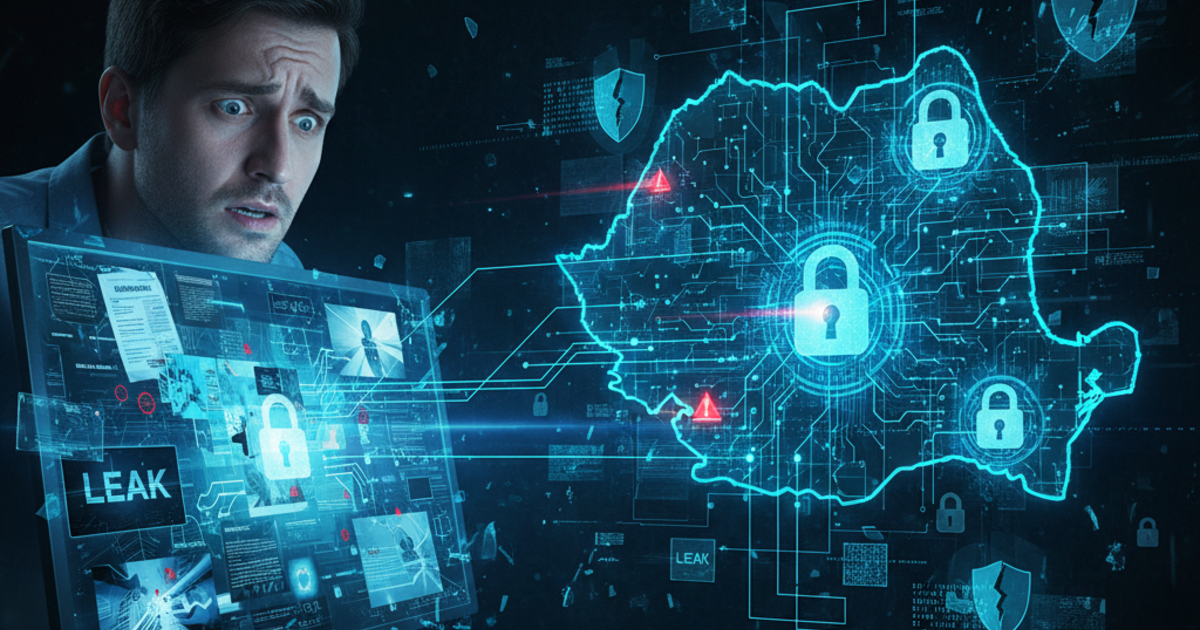
Hacktivismus hat sich zu einem bedeutenden Teilbereich des Online-Aktivismus entwickelt, bei dem Einzelpersonen oder Gruppen Cyberangriffe starten, um politische Agenden oder sozialen Wandel zu fördern. In Rumänien haben eine Reihe von jüngsten Defacement-Vorfällen, die der Gruppe mit dem Namen Mr.PIMZZZXploit zugeschrieben werden, die Aufmerksamkeit auf sich gezogen und die Bedeutung der Untersuchung der Motivationen hinter solchen Angriffen betont. Der öffentliche Sektor Rumäniens, wie durch kompromittierte Websites von den Domains management-hotelier.fastkets.ro bis primaria.online.e-digitalizare.com belegt, wurde besonders ins Visier genommen, was auf Schwachstellen in der nationalen Cybersicherheit hinweist.
Die Ziele: Ein Blick auf die Angriffsstatistiken
Mehrere rumänische Websites aus verschiedenen Sektoren, einschließlich Regierungsdienste und lokale Unternehmen, fielen diesen Defacements zum Opfer. Bemerkenswerte Beispiele sind die, die auf iridiumsoftware.ro und atu-it.eu.iridiumsoftware.ro gehostet werden. Jeder Vorfall dient nicht nur als Indikator für die Verwundbarkeit eines Systems, sondern auch als Aussage gegen wahrgenommene Ungerechtigkeiten oder Mängel innerhalb der Institution selbst.
Motivationen hinter den Angriffen
Die zugrunde liegenden Motivationen, die diese Cyberoperationen antreiben, können oft mit lokalen und globalen Themen verknüpft werden, die Hacktivisten ansprechen möchten. Beispielsweise deutet die Zielsetzung von Regierungswebsites auf Unmut gegen Verwaltungsprozesse, Transparenzprobleme oder spezifische Politiken hin. Im weiteren Kontext sind die Muster der Cybersicherheitsbedrohungen in Osteuropa untrennbar mit geopolitischen Spannungen verbunden, die die öffentliche Stimmung prägen.
Geopolitischer Kontext
Rumäniens Position als NATO- und EU-Mitglied bringt es an den Schnittpunkt gegensätzlicher Interessen. Mit dem Anstieg der Spannungen in der Region – insbesondere im Hinblick auf den anhaltenden Konflikt mit der Ukraine – könnten hacktivistische Aktivitäten als eine Form des "digitalen Protests" angesehen werden. Dieses Gefühl des Aktivismus steht in engem Zusammenhang mit ähnlichen Bewegungen in Nachbarländern, in denen Einzelpersonen ihre technischen Fähigkeiten nutzen, um ihren Unmut zu äußern. Die Auswirkungen dieser Aktionen beschränken sich nicht auf Rumänien; sie ziehen sich durch Europa und lenken die Aufmerksamkeit auf gemeinsame Cybersicherheitsherausforderungen, mit denen alle EU-Mitgliedstaaten konfrontiert sind.
Signal an Institutionen: Ein Aufruf zur Verbesserung der Cybersicherheit
Der Anstieg der Defacements unterstreicht einen dringenden Aufruf an Rumänien, seine Cybersicherheitsrahmen zu stärken. Institutionen wie CERT-RO sind entscheidend, um Einrichtungen über Risikomanagement und die Bedeutung robuster Sicherheitsprotokolle aufzuklären. Jeder Vorfall erinnert daran, dass sich die Cybersicherheitslandschaft ständig weiterentwickelt und dass sowohl der öffentliche als auch der private Sektor zusammenarbeiten müssen, um die Verteidigung zu stärken.
Ausblick: Die Zukunft der Cybersicherheit in Rumänien
Wenn wir diese wachsenden Bedrohungen analysieren, müssen wir uns fragen: Wie können Rumänien und andere osteuropäische Länder besser auf diese Arten von Angriffen vorbereitet sein? Strategien könnten erhöhte Investitionen in fortschrittliche Cybersicherheitstechnologien, Bildungskampagnen für Webentwickler und die Förderung eines Verantwortungsbewusstseins unter Online-Dienstanbietern umfassen. Darüber hinaus wird die grenzüberschreitende Zusammenarbeit entscheidend sein, um dem Übel des Hacktivismus entgegenzuwirken, das nationale Grenzen überschreitet.
Zusammenfassend lässt sich sagen, dass die jüngsten Defacement-Vorfälle als ernüchternder Indikator für die Herausforderungen dienen, mit denen Rumänien in einem digitalen Zeitalter konfrontiert ist, das von Unruhen und Verwirrung geprägt ist. Der Handlungsaufruf ist klar; nur durch konzertierte Anstrengungen können Rumänien und seine Verbündeten eine robuste Cybersicherheit gewährleisten und gleichzeitig die Ursachen des Unmuts angehen, die solche hacktivistischen Aktivitäten antreiben.
Frequently asked questions
What is the significance of the recent hacktivist defacements in Romania?
The recent hacktivist defacements in Romania highlight vulnerabilities in national cybersecurity and serve as a form of digital protest against perceived injustices within governmental institutions.
What role does the geopolitical context play in Romania's cybersecurity challenges?
Romania's membership in NATO and the EU places it at the center of geopolitical tensions, particularly regarding the conflict in Ukraine, which influences the motivations behind hacktivist activities.
What measures can Romania take to improve its cybersecurity in light of these attacks?
Romania can enhance its cybersecurity by investing in advanced technologies, conducting education campaigns for web developers, and fostering cross-border cooperation to address the challenges posed by hacktivism.

Comments
Loading comments...
Leave a Comment