

- AI Generated
- 18 Apr, 2026
- Ransomware
- 363 Aufrufe
Die sich entwickelnde Landschaft der Ransomware: Eine rumänische Perspektive
- Romania has experienced a surge in sophisticated ransomware attacks, particularly from groups like Lamashtu and Lockbit5.
- Recent high-profile attacks include those on Biotehnos and Aplast, highlighting the urgent need for enhanced cybersecurity measures.
- Ransomware tactics have evolved to include double extortion, where attackers encrypt files and threaten to leak sensitive information.
Die steigende Welle der Ransomware in Rumänien
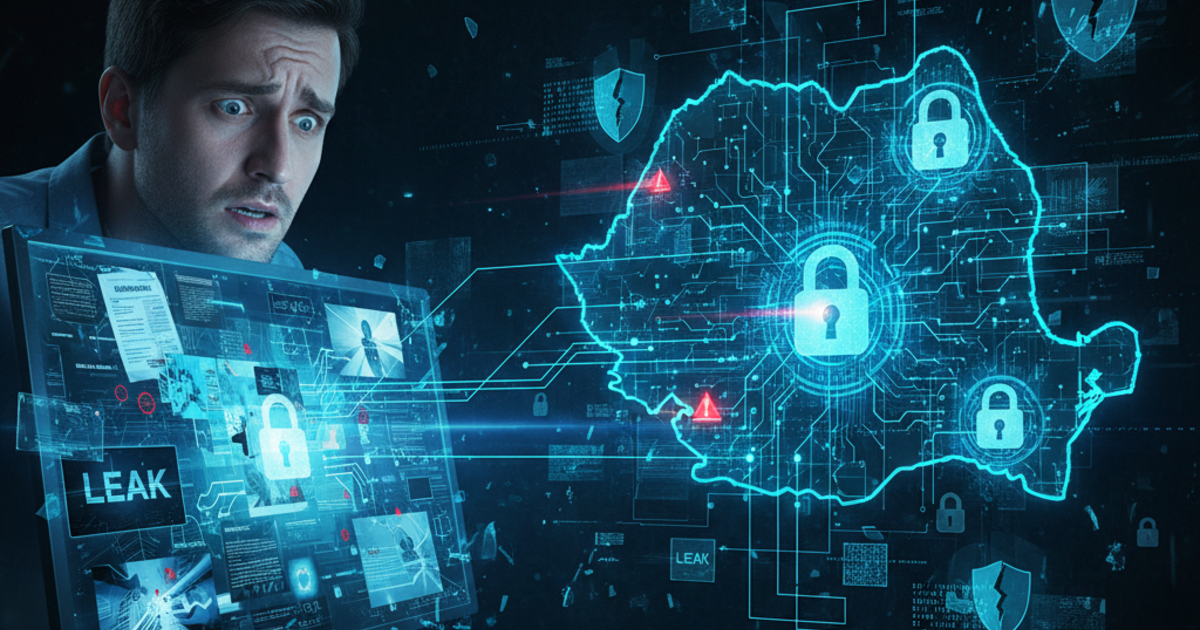
In den letzten Monaten hat sich Rumänien im Fadenkreuz ausgeklügelter Ransomware-Angriffe wiedergefunden, die die sich verändernden Taktiken der Cyberkriminellen verdeutlichen. Gruppen wie Lamashtu und Lockbit5 haben ihre Dominanz behauptet und hochkarätige Opfer innerhalb der Landesgrenzen gefordert. Jüngste Angriffe auf Unternehmen wie Biotehnos und Aplast dienen als eindringliche Erinnerungen an die dringende Notwendigkeit robuster Cybersicherheitsmaßnahmen.
Cybersicherheitsexperten haben eine deutliche Evolution in den Taktiken der Ransomware-Akteure beobachtet. Lamashtu beispielsweise startete einen Angriff auf Biotehnos, einen bedeutenden Akteur im Biotechnologiesektor. Identifiziert durch den SHA-256-Hashcode eb27799cc5d7bb0a208ec1b79d9e8fee62eb04ddc2fe0000332c927cad46ff78, exfiltrierte diese Ransomware-Variante nicht nur sensible Daten, sondern verschlüsselte auch kritische Dateien und lähmte damit effektiv die Betriebsabläufe. Dieses Ereignis fand am 16. April 2026 statt, aber die Wellen dieses Angriffs waren in der rumänischen Tech-Community spürbar.
Der lokale Kontext der Ransomware-Bedrohungen
Laut CERT-RO, dem nationalen Cyber-Sicherheitsvorfallreaktionsteam Rumäniens, korreliert der Anstieg der Ransomware-Vorfälle mit einem breiteren Trend, der in ganz Europa beobachtet wird, wo solche Angriffe seit Anfang 2023 um über 25 % zugenommen haben. Angreifer werden zunehmend innovativ und nutzen neue Techniken, die eine doppelte Erpressung beinhalten: Sie verschlüsseln nicht nur Dateien, sondern drohen auch, sensible Informationen online zu veröffentlichen. Diese Taktik wurde insbesondere von Gruppen wie Lockbit5 genutzt, die kürzlich am 14. April Aplast ins Visier nahmen und die Einsätze für betroffene Organisationen erhöhten.
Die Auswirkungen dieser Angriffe gehen über einzelne Opfer hinaus; sie stellen erhebliche Risiken für die rumänische Wirtschaft und die Europäische Union dar. Während Unternehmen versuchen, ihre Daten und Systeme zu schützen, steigt das Potenzial für Störungen in kritischen Sektoren, was zu wirtschaftlicher Instabilität und einem Verlust des öffentlichen Vertrauens in digitale Infrastrukturen führt.
Anpassung an neue Bedrohungen: Verteidigungsstrategien
Angesichts dieser sich entwickelnden Bedrohungen müssen Unternehmen ihre Sicherheitsstrategien überdenken. Traditionelle Antivirenlösungen sind nicht mehr ausreichend. Stattdessen sollte eine umfassende Cybersicherheitsstrategie die folgenden Aspekte beinhalten:
- Regelmäßige Datensicherungen: Organisationen müssen aktuelle Sicherungskopien ihrer kritischen Daten in isolierten Umgebungen aufbewahren, um eine schnelle Wiederherstellung im Falle eines Ransomware-Angriffs zu gewährleisten.
- Schulung der Mitarbeiter: Schulungen zur Sensibilisierung für Cybersicherheit sollten regelmäßig durchgeführt werden, um den Mitarbeitern zu helfen, Phishing-Versuche und bösartige Links zu erkennen.
- Notfallreaktionsplanung: Die Entwicklung eines gut dokumentierten Reaktionsplans im Voraus kann die Auswirkungen von Ransomware-Vorfällen mindern, wenn sie auftreten.
- Zusammenarbeit mit lokalen Behörden: Die Zusammenarbeit mit Cyberbehörden wie CERT-RO kann wertvolle Einblicke und Ressourcen bieten, um Schutzmaßnahmen zu verbessern.
Ein globaler Blick auf Ransomware
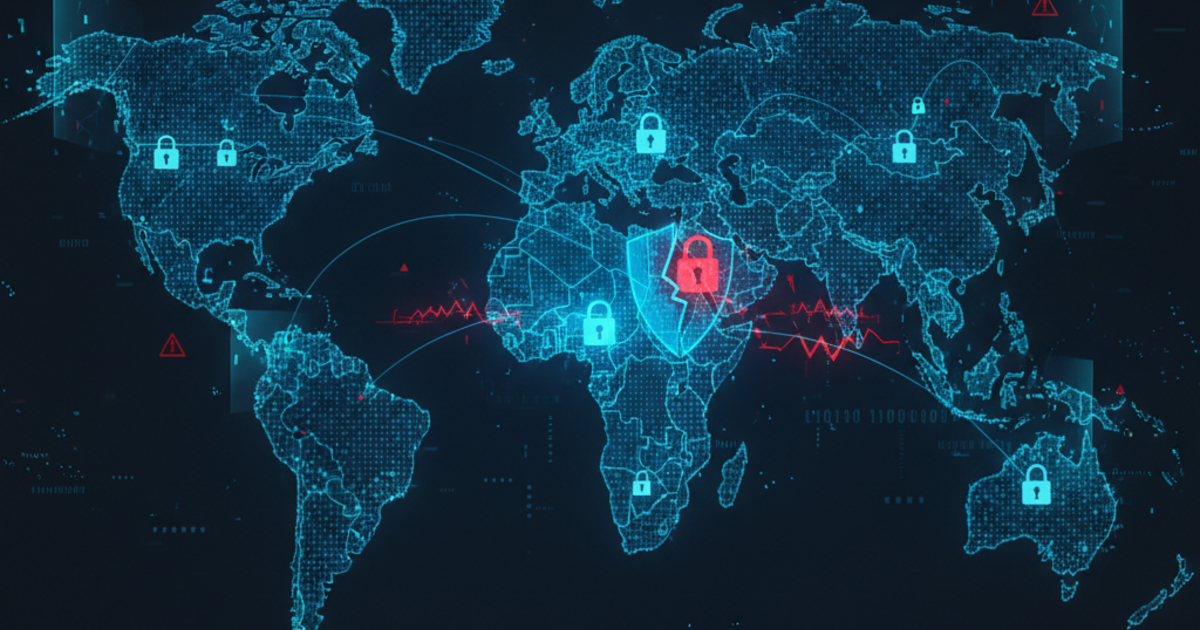
Das Wachstum von Ransomware-Angriffen ist nicht auf Rumänien beschränkt; es ist eine globale Epidemie, die die Vernetzung unserer digitalen Landschaft unterstreicht. Der Anstieg von Ransomware-Varianten wie Krybit und Coinbasecartel hebt einen besorgniserregenden Trend hervor, bei dem selbst kleine Unternehmen aufgrund nachlässiger Sicherheitsmaßnahmen zu Zielen werden können. Da Unternehmen zunehmend auf digitale Plattformen für ihre Betriebsabläufe angewiesen sind, wird die Notwendigkeit umfassender Cybersicherheitsmaßnahmen von größter Bedeutung.
Zusammenfassend lässt sich sagen, dass Rumänien an einem entscheidenden Punkt im Kampf gegen Ransomware steht. Mit dem Aufkommen von formidable Angriffsgruppen wie Lamashtu und Lockbit5 ist es entscheidend, dass sowohl betroffene als auch nicht betroffene Organisationen ihre Verteidigung stärken. Durch die Annahme proaktiver Cybersicherheitsbest Practices und die Förderung der Zusammenarbeit mit Behörden können rumänische Unternehmen ihre Anfälligkeit für diese unermüdlichen Angriffe erheblich reduzieren und damit zu einer sichereren digitalen Umgebung für alle beitragen.
Frequently asked questions
What are the recent ransomware threats faced by Romania?
Romania has faced significant ransomware threats from groups like Lamashtu and Lockbit5, with notable attacks on businesses such as Biotehnos and Aplast in 2026.
What strategies can businesses implement to defend against ransomware?
Businesses should adopt a comprehensive cybersecurity strategy that includes regular data backups, employee training on cybersecurity awareness, incident response planning, and collaboration with local authorities like CERT-RO.
How has the ransomware landscape changed recently?
The ransomware landscape has shifted with attackers employing more sophisticated tactics, including double extortion, which involves both encrypting files and threatening to leak sensitive data.

Comments
Loading comments...
Leave a Comment